
Printable Activities for Preschoolers: Fun, Easy & Educational Ideas
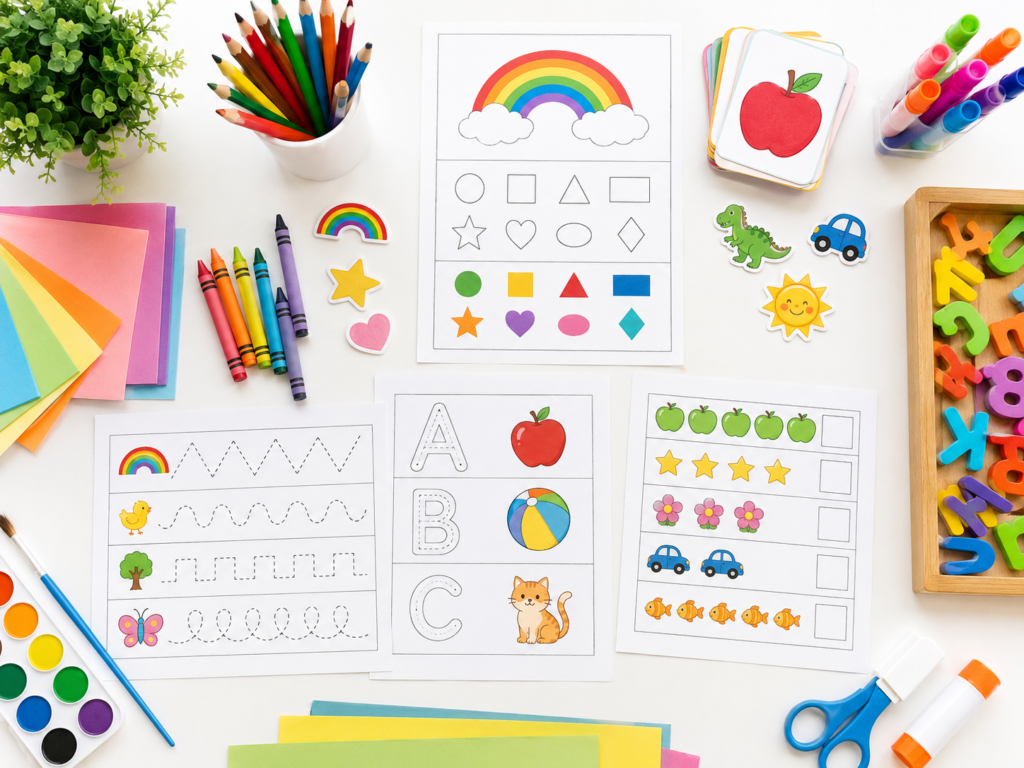
Printable activities for preschoolers are one of the easiest ways to make learning feel fun, simple, and hands-on. At this age, children are curious, energetic, and eager to explore, but they also need activities that are short, clear, and easy to understand.
The good news is that preschool learning does not need to be complicated. With a few printable worksheets, coloring pages, tracing activities, matching games, and simple cut-and-paste pages, you can help your child practice important early skills at home or in the classroom.
In this guide, you will find fun and educational printable activities for preschoolers that support early learning, creativity, fine motor skills, and confidence.
Why Printable Activities Are Great for Preschoolers
Preschoolers learn best when they can touch, color, trace, cut, match, sort, and explore. Printable activities work well because they give children something visual and hands-on to do without needing a screen or complicated setup.
They are also flexible. You can print one page for a quick activity, create a full learning folder, or prepare themed worksheets for the week. This makes printable activities helpful for parents, homeschoolers, preschool teachers, and kindergarten readiness practice.
Another big benefit is that printables can be used in short learning sessions. Preschoolers usually do better with simple activities that take a few minutes rather than long lessons that feel overwhelming.
Best Printable Activities for Preschoolers
1. Alphabet Tracing Worksheets
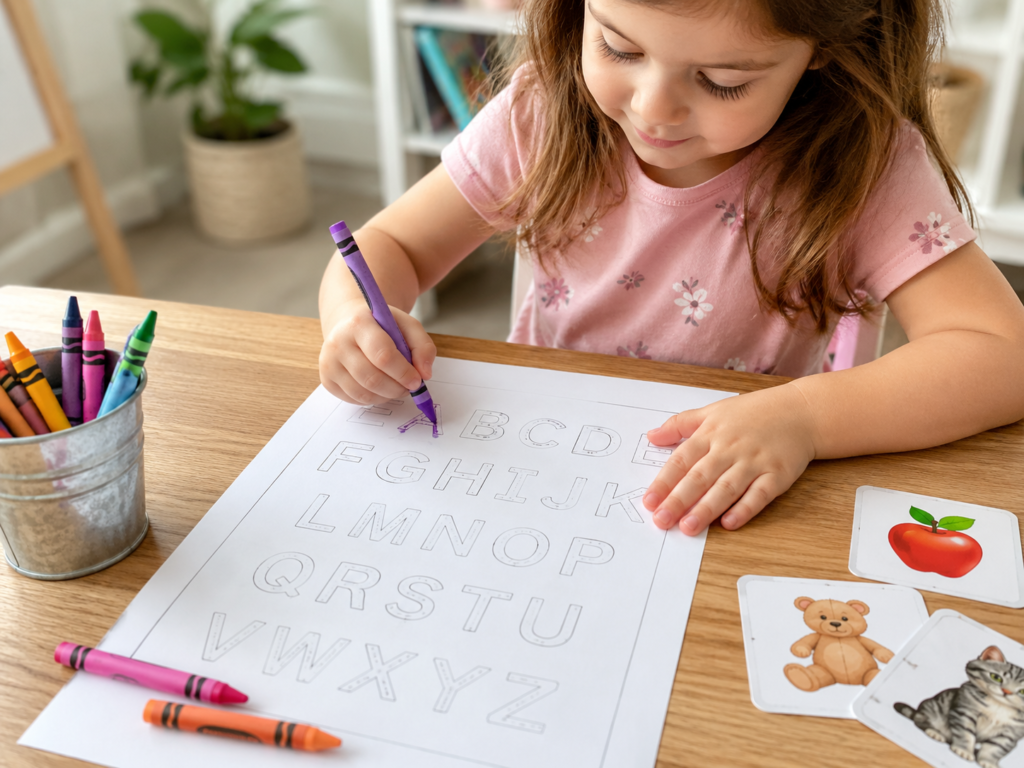
Alphabet tracing worksheets are a great place to start because they help preschoolers become familiar with letters. Children can trace uppercase and lowercase letters, say the letter name, and color a picture that begins with that letter.
This type of printable activity supports letter recognition, pencil control, early writing skills, and pre-reading confidence. To make it more playful, let your child use crayons, colored pencils, or markers instead of a regular pencil.
2. Letter Recognition Activities
Before children can read or write confidently, they need to recognize letters in different forms. Printable letter recognition activities can include circling a target letter, matching uppercase and lowercase letters, finding letters in a group, or coloring all the letters that match.
These activities are simple but very useful for preschool and kindergarten readiness.
3. Number Tracing Pages
Number tracing pages help preschoolers practice number formation while also learning number order. A good number printable may include tracing the number, counting objects, coloring a group of items, and writing the number independently.
For example, a child may trace the number 4, count four stars, and color four apples. This makes the number more meaningful and easier to remember.
4. Counting Worksheets
Counting worksheets are perfect for early math practice. Preschoolers can count animals, fruits, toys, shapes, or seasonal objects and then match the total to the correct number.
Keep counting activities visual and simple. Young children learn better when they can see and touch objects, so you can also add real items like blocks, buttons, or crayons alongside the printable page.
5. Printable Coloring Pages
Coloring pages are more than just a quiet activity. They help preschoolers build hand strength, focus, creativity, and color recognition. They also give children a chance to practice staying inside lines without pressure.
For preschoolers, choose coloring pages with clear shapes, friendly characters, animals, vehicles, seasons, or simple learning themes.
6. Shape Matching Activities
Shape activities are important for early math and visual learning. Preschoolers can match circles, squares, triangles, rectangles, hearts, stars, and ovals to real objects or pictures.
Printable shape matching activities can include drawing lines, cutting and pasting shapes, coloring shapes by type, or sorting shapes into groups.
7. Color Sorting Printables
Color sorting printables help children recognize and name colors. They can sort pictures by color, match colored objects, or color items according to instructions.
This activity is especially helpful for young preschoolers because it feels like a game while building observation and classification skills.
8. Cut-and-Paste Worksheets
Cut-and-paste worksheets are excellent for fine motor development. Preschoolers can cut out pictures, shapes, letters, numbers, or patterns and glue them in the correct place.
These activities help children practice scissors skills, hand-eye coordination, following directions, and problem-solving. Always supervise children when using scissors, and choose safety scissors made for young learners.
9. Matching Games
Printable matching games are simple to prepare and easy to repeat. Children can match animals to shadows, letters to pictures, numbers to quantities, colors to objects, or emotions to faces.
Matching games help build memory, attention, visual discrimination, and early thinking skills. You can print them on thicker paper or place them in plastic sleeves to use again.
10. Pattern Worksheets
Pattern practice helps preschoolers develop early math reasoning. A simple printable pattern may show red-blue-red-blue and ask the child what comes next.
You can use colors, shapes, animals, stickers, or seasonal pictures to make patterns more interesting. Start with simple AB patterns before moving to more advanced ones.
11. Printable Mazes
Mazes are fun for preschoolers because they feel like a puzzle. They also help with pencil control, planning, patience, and problem-solving.
Start with short, simple mazes with wide paths. As your child becomes more confident, you can introduce more detailed mazes with themes like animals, space, dinosaurs, or holidays.
12. I Spy Printables
I Spy activities are great for visual attention and counting practice. Preschoolers search for specific objects on a page, count them, and sometimes color them as they find them.
These printables are especially useful when you need a quiet activity that still feels exciting and interactive.
13. Simple Puzzle Pages
Printable puzzle pages can include picture puzzles, matching puzzles, shadow matching, missing pieces, or simple logic activities. These help children think carefully and notice details.
For preschoolers, keep puzzle pages friendly and not too crowded. The goal is to build confidence, not frustration.
14. Pre-Writing Practice Pages
Before children write letters and numbers, they need to practice basic pencil movements. Pre-writing printables may include straight lines, curves, zigzags, loops, waves, and simple paths.
These pages help build pencil control and hand coordination. They are especially helpful for children who are not ready for full letter tracing yet.
15. Name Practice Worksheets
Name practice worksheets are meaningful because children love learning to recognize and write their own names. A printable name page can include tracing, copying, coloring, and decorating the child’s name.
This activity builds confidence and gives children a personal connection to early writing.
16. Weather and Season Printables
Weather and season activities help children understand the world around them. Preschoolers can match clothes to weather, color seasonal pictures, sort summer and winter items, or track the weather each day.
These printables are great for morning routines, circle time, or homeschool preschool lessons.
17. Animal-Themed Activities
Animal printables are always popular with preschoolers. Children can color animals, match animals to their homes, sort farm and wild animals, or trace animal names.
Animal themes make learning feel playful and familiar, especially for children who love pets, farms, zoos, or ocean animals.
18. Feelings and Emotions Worksheets
Preschool is a wonderful age to introduce simple emotional learning. Printable feelings worksheets can help children identify happy, sad, angry, surprised, tired, or worried faces.
You can ask questions like, “When do you feel happy?” or “What can we do when we feel upset?” This turns the worksheet into a conversation.
19. Simple Craft Templates
Printable craft templates are perfect when you want a creative activity without starting from scratch. Children can color, cut, glue, and assemble simple crafts like animals, flowers, rockets, crowns, or seasonal decorations.
Craft printables support creativity, fine motor skills, and following step-by-step instructions.
20. Preschool Activity Packs
A preschool activity pack combines several learning activities in one place. It might include alphabet pages, number practice, coloring sheets, mazes, matching games, shapes, and cut-and-paste worksheets.
This is one of the easiest ways to keep learning organized, especially if you want ready-to-print activities for the week.
How to Use Printable Activities Without Overwhelming Your Child
Printable activities are helpful, but preschoolers do not need long worksheet sessions. In fact, short and simple is usually better.
Choose one or two pages at a time. Let your child take breaks. Keep the mood relaxed. If a child is tired, frustrated, or losing interest, it is completely fine to stop and try again later.
Preschool learning should feel encouraging, not stressful. The goal is to build curiosity, confidence, and early skills in a way that feels enjoyable.
Simple Weekly Printable Activity Plan
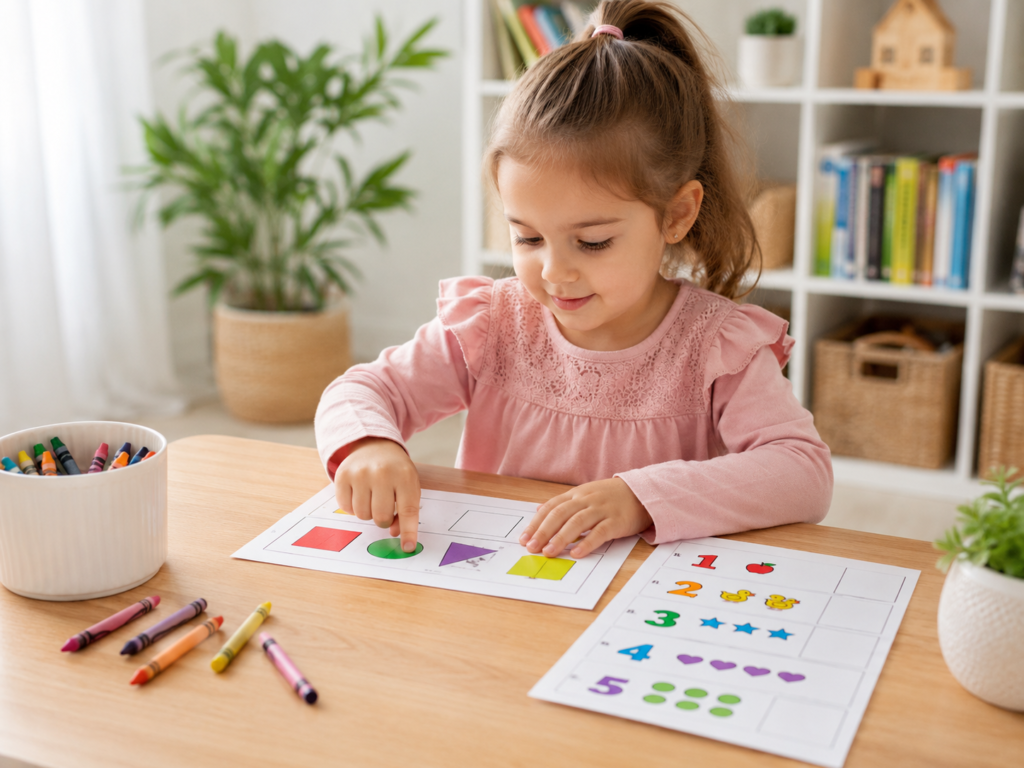
If you want a simple routine, you can plan printable activities by day. This helps children get variety without making planning difficult for parents or teachers.
Monday: Alphabet Practice
Use letter tracing, letter recognition, or beginning sound activities.
Tuesday: Numbers and Counting
Choose number tracing, counting worksheets, or number matching activities.
Wednesday: Colors and Shapes
Use shape matching, color sorting, or pattern worksheets.
Thursday: Fine Motor Practice
Choose cut-and-paste worksheets, pre-writing lines, mazes, or sticker activities.
Friday: Creative Fun
Use coloring pages, simple crafts, I Spy printables, or themed activity pages.
This kind of weekly plan keeps learning balanced and easy to manage.
Best Printable Activities by Skill
For Fine Motor Skills
Choose tracing pages, cutting activities, coloring pages, mazes, stickers, and pre-writing worksheets. These activities help children strengthen the small muscles in their hands and fingers.
For Early Literacy
Use alphabet tracing, letter recognition, beginning sound activities, name practice, picture cards, and simple story prompts.
For Early Math
Choose number tracing, counting worksheets, shape matching, color sorting, patterns, and simple graphing activities.
For Creativity
Use coloring pages, craft templates, drawing prompts, pretend play printables, and themed activity packs.
For Quiet Time
Choose coloring pages, I Spy printables, mazes, matching games, and simple puzzles. These activities can help children settle down while still staying engaged.
Tips for Making Preschool Printables More Fun
- Let your child choose between two printable activities.
- Use crayons, markers, stickers, or dot markers for variety.
- Place pages in sheet protectors and use dry-erase markers.
- Turn worksheets into games by adding dice, counters, or small toys.
- Praise effort instead of perfect answers.
- Keep a small printable activity folder ready for busy days.
Small changes can make printable activities feel fresh, even if your child is practicing the same skill more than once.
Printable Activities for Home, Classroom, and Homeschool
One of the best things about printable activities is that they can work almost anywhere. Parents can use them at home during quiet time or after school. Teachers can use them for centers, morning work, early finishers, or small groups. Homeschoolers can use them to build a simple preschool routine.
You can also use printable pages for travel, waiting rooms, rainy days, or screen-free activity time. Because they are easy to print and prepare, they can save time while still giving children something meaningful to do.
Why Luv Printables Is Helpful for Preschool Learning
At Luv Printables, we create printable learning activities designed to make early learning easier for parents, teachers, and homeschoolers. Our printable resources help children practice letters, numbers, coloring, matching, tracing, fine motor skills, and creative thinking in a simple, screen-free way.
Instead of spending hours searching for activities, you can use ready-to-print worksheets and activity packs that are made for young learners.
Final Thoughts
Printable activities for preschoolers can make learning easier, calmer, and more enjoyable. They give children a chance to practice important skills while coloring, tracing, cutting, matching, sorting, and creating.
You do not need a complicated curriculum to get started. A few well-chosen printable pages can support early literacy, math, fine motor skills, creativity, and confidence.
Ready to make preschool learning easier? Explore Luv Printables for printable worksheets, coloring pages, and activity packs designed for fun, screen-free learning.