

In today’s digital age, parents look for ways to keep their kids away from screens. They want activities that boost creativity and bring families closer together.
Using fun printable worksheets at home is a great solution. These worksheets have educational activities for all ages and interests.
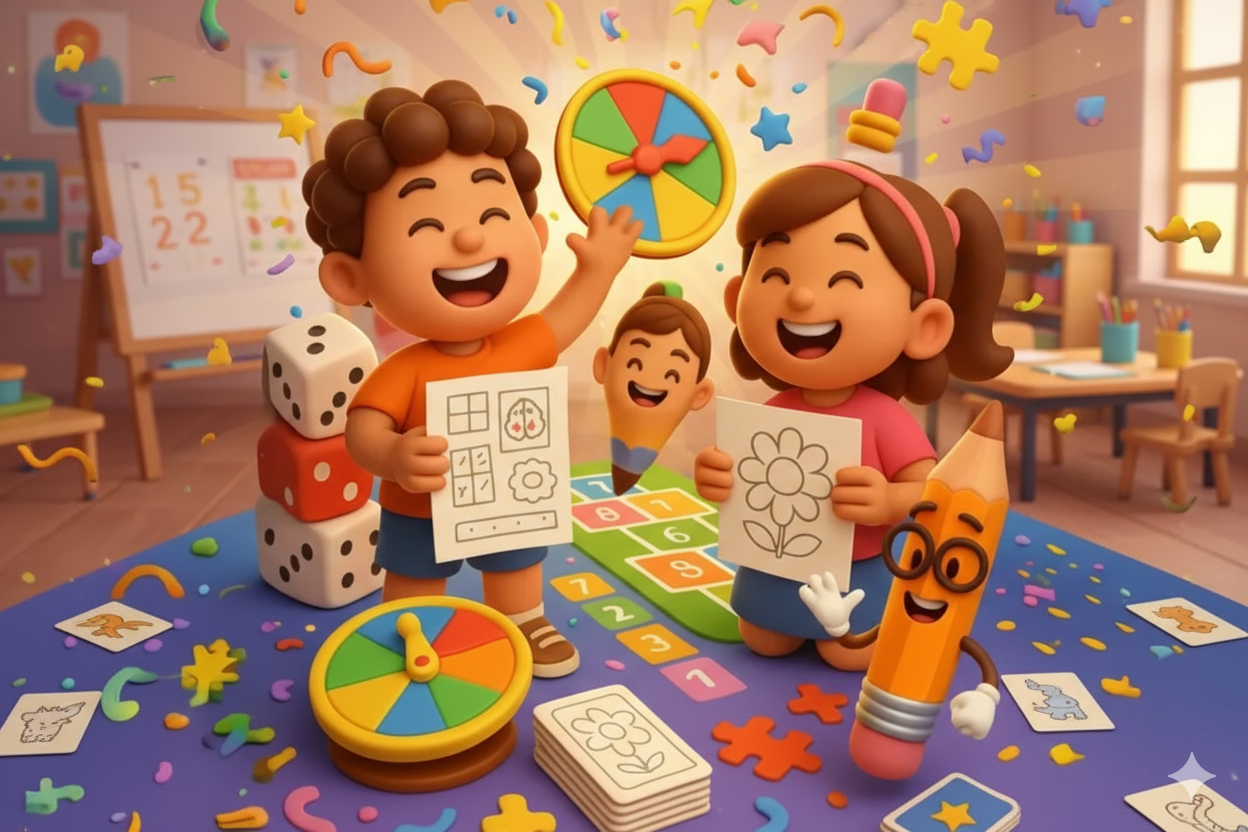
Worksheets include matching games, tracing exercises, coloring pages, and alphabet puzzles. They make learning fun and engaging.
By adding these printable educational resources to daily life, parents can make learning exciting. It helps create a stimulating environment for kids to explore and grow with their family.
Key Takeaways
- Printable worksheets offer a screen-free learning experience for children.
- Engage your child with fun educational activities like matching, tracing, and coloring.
- Foster creative thinking and family bonding through interactive learning.
- Customize educational resources to suit your child’s age and interests.
- Create a stimulating environment that encourages exploration and growth.
The Power of Screen-Free Learning with Printable Worksheets
In today’s world, where screens are everywhere, printable worksheets offer a fresh way to learn at home. They bring many benefits, leading the way in a shift towards more hands-on learning.
Printable worksheets give kids a real, engaging way to learn. Unlike screens, they don’t have distractions like ads or notifications. This makes it easier for kids to focus and learn better.
Why Printed Materials Still Matter in a Digital Age
Even with all the digital tools out there, printed materials are still key in education. They offer a break from screens, which is good for your eyes and helps you learn better. Plus, you can tailor printed worksheets to fit each child’s needs, making them a great tool for both parents and teachers.
Fun activities like matching games, tracing, coloring, and alphabet puzzles are both enjoyable and educational. These interactive lessons improve kids’ thinking, fine motor skills, and creativity. Adding these activities to your daily routine can make learning a fun and complete experience.
Setting Up a Dedicated Learning Space at Home
Having a special place for learning at home is important. This area should be quiet, well-lit, and free from distractions. By having a dedicated spot, kids can develop a routine and a positive view of learning.
To create this space, choose a comfy chair and desk. Make sure it’s stocked with printable resources like worksheets, pencils, and crayons. Keeping these materials organized will encourage kids to learn on their own.
Benefits of Using Fun Learning Worksheets for Child Development
Hands-on learning activities, like fun learning worksheets, are key to child development. They offer engaging exercises for different learning needs. This makes them a great tool for growth.
Cognitive Skills Enhancement
Fun learning worksheets boost cognitive skills in kids. Puzzles, pattern recognition, and problem-solving exercises sharpen critical thinking. These activities help kids reason, think logically, and make smart choices.
Fine Motor Skills Development
These worksheets also help with fine motor skills. Tracing, drawing, and coloring improve hand-eye coordination and dexterity. These skills are vital for writing, using scissors, and other tasks needing precision.
Attention Span and Focus Improvement
Fun learning worksheets also enhance attention span and focus. By doing exercises, kids learn to concentrate and follow instructions. This boosts their academic performance and learning experience.
Incorporating fun learning worksheets into a child’s daily routine is beneficial. They support cognitive, motor, and emotional growth. This prepares kids for future academic success.
Matching Games: Connecting Ideas and Concepts
Educational games, like matching activities, are key to kids’ brain growth. They make learning fun and help kids think critically.
There are many types of matching games, like matching pictures to words and recognizing patterns. These games help kids connect ideas and set them up for school success.
Picture-to-Word Matching Activities
Picture-to-word matching games boost vocabulary and reading in kids. They match images to words, improving language skills and memory.
- Enhances vocabulary
- Improves reading skills
- Develops language skills
Pattern and Shape Recognition Games
Pattern and shape games are important in matching activities. They help kids improve spatial awareness and critical thinking by solving patterns and shapes.
Benefits include:
- Improved spatial awareness
- Enhanced critical thinking
- Better problem-solving skills
Adding these games to their learning routine helps kids build a strong base for future success.
Tracing Activities for Handwriting and Coordination
Tracing activities are key in child development. They help improve handwriting and coordination. These activities boost fine motor skills and get kids ready for writing and school.

There are many tracing activities for different ages and skills. Young kids start with simple tracing. Older kids do more complex tasks to challenge their skills.
Letter and Number Tracing Worksheets
Worksheets for tracing letters and numbers are great for kids. They help kids learn the shapes of letters and numbers. This makes them better at writing and more confident.
| Age Group | Tracing Activity | Benefit |
|---|---|---|
| 3-4 years | Simple shape tracing | Develops fine motor skills |
| 5-6 years | Letter and number tracing | Improves handwriting |
Picture and Shape Tracing for Younger Children
Picture and shape tracing are fun for young kids. They help with coordination and fine motor skills. Kids learn to control their hand movements and make marks on paper.
Adding tracing activities to daily routines is fun and educational. It’s a way to learn without screens. It also encourages creativity and family bonding.
Coloring Worksheets That Teach While Entertaining
Coloring worksheets are a fun way to teach kids. They keep kids entertained while learning. These worksheets help introduce new ideas, reinforce learning, and improve fine motor skills.
Coloring worksheets are great for learning through fun activities. Educational color-by-number activities teach kids about colors and numbers. They also help improve fine motor skills and hand-eye coordination.
Educational Color-by-Number Activities
Color-by-number activities assign numbers to colors. Kids color the areas that match the numbers. This activity helps them understand numbers, colors, and patterns.
For example, a worksheet might show an animal with parts labeled with numbers. Kids color the parts with the right colors. They learn about color recognition and number sequencing.
| Benefits | Description |
|---|---|
| Fine Motor Skills | Improves hand-eye coordination and dexterity |
| Color Recognition | Teaches children about different colors and shades |
| Number Sequencing | Enhances understanding of numbers and patterns |
Themed Coloring Pages That Reinforce Learning Concepts
Themed coloring pages help reinforce learning. For example, a worksheet with animal pictures can teach the alphabet. Each animal starts with a different letter.
“The use of coloring worksheets as a learning tool has been shown to improve cognitive skills and boost creativity in children.” – Education Expert
Using themed coloring pages makes learning fun. Parents and educators can make learning engaging. They reinforce important concepts while keeping kids entertained.
Alphabet and Number Games for Early Literacy
Fun learning worksheets with alphabet and number games are key to early literacy. They help kids build reading, writing, and math skills in a fun way. Parents can use these activities to help their kids learn without screens.
Introducing kids to early literacy with alphabet puzzles and recognition games is effective. These fun learning worksheets teach kids about letter shapes and sounds. Alphabet puzzles also improve problem-solving and hand-eye coordination.
Alphabet Puzzles and Recognition Activities
Alphabet puzzles and recognition games are both fun and educational. They help kids develop their thinking skills and remember letters. Experts say early alphabet activities are key to reading and writing skills. They lay the groundwork for future success.
- Letter tracing and matching games
- Alphabet scavenger hunts
- Letter recognition quizzes
Counting and Number Sequence Games
Counting and number sequence games are also important for early literacy, focusing on math. These educational activities teach kids about numbers and basic math. Number sequence games help kids see patterns and understand number relationships.
“Mathematics is not just about numbers; it’s about understanding the world around us.”
These activities improve problem-solving and lay the groundwork for more math concepts. Examples include:
- Counting objects in a picture
- Number line activities
- Basic addition and subtraction games
Adding alphabet and number games to a child’s daily routine boosts early literacy skills. Using fun worksheets and screen-free activities helps kids build a strong foundation for school success.
Problem-Solving Worksheets for Critical Thinking
Interactive lessons with problem-solving worksheets boost a child’s critical thinking. These worksheets challenge young minds to think creatively. They help find solutions to different problems.
Problem-solving activities improve analytical skills. Children learn to break down complex problems. This skill is useful in school and real life.
Mazes and Logic Puzzles
Mazes and logic puzzles are great for critical thinking. They make kids think strategically and plan their moves. These activities improve problem-solving, spatial awareness, and visual processing.
- Mazes teach patience and persistence as kids navigate complex paths.
- Logic puzzles boost reasoning skills. They teach kids to evaluate information and make smart choices.
Word Problems and Math Challenges
Word problems and math challenges are also good for critical thinking. They make kids apply math to real-life situations. This deepens their understanding of math.
Key benefits include:
- They improve math reasoning and problem-solving.
- They help apply theoretical math to real situations.
By using these interactive worksheets, kids can grow strong critical thinking skills. These skills will help them throughout their lives.
Creative Thinking Activities with Fun Learning Worksheets
Printable worksheets are a great way to help kids think creatively without screens. They make learning fun. Kids can grow their imagination, solve problems, and express themselves.

These activities boost brain skills and bring families closer. Parents and kids can enjoy these fun exercises together.
Story Creation and Writing Prompts
Writing stories and prompts is great for kids to show their creativity. They improve writing, vocabulary, and imagination. Fun worksheets with story starters help kids love writing and being creative.
For instance, a worksheet might show a character or scene. It asks kids to keep the story going. This boosts their creative thinking and writing skills.
Open-Ended Art and Design Projects
Art and design projects let kids explore their creativity visually. They can do simple coloring or complex designs. These activities help kids think creatively and improve their fine motor skills.
| Activity Type | Benefits | Age Group |
|---|---|---|
| Story Creation | Enhances writing skills and imagination | 6-10 years |
| Coloring Pages | Develops fine motor skills and creativity | 4-8 years |
| Design Projects | Fosters problem-solving and creative thinking | 8-12 years |
Adding these worksheets to daily routines helps kids learn creatively and solve problems. Parents can give their kids a balanced education.
Family Engagement Through Printable Learning Games
Learning together with fun, printable games can bring families closer. Doing hands-on activities together boosts a child’s learning and strengthens family ties. It creates a sense of unity and teamwork.
Cooperative Games for Family Bonding
Cooperative games are great for bonding. Games like matching, tracing, and coloring can be fun for everyone. For example, alphabet puzzles and number games make learning fun while spending time together.
Some examples of cooperative games include:
- Matching games that involve identifying and matching letters or numbers
- Tracing activities that help improve handwriting and fine motor skills
- Coloring worksheets that teach color recognition and coordination
Creating Family Traditions Around Learning Activities
Starting family traditions around learning can make it fun. Setting aside time for learning together creates memories and fosters a love for learning. It’s a great way to bond and learn together.
| Activity | Frequency | Benefits |
|---|---|---|
| Printable Alphabet Puzzles | Weekly | Improves letter recognition and problem-solving skills |
| Coloring Worksheets | Bi-Weekly | Enhances color recognition and fine motor skills |
| Math Matching Games | Monthly | Develops math skills and encourages healthy competition |
By adding these activities to your routine, learning becomes a fun, shared experience. It brings families closer together.
LuvPrintables: Free and Premium Worksheet Collections
For parents looking for creative activities for their kids, LuvPrintables is a great place to find educational resources. It has a wide range of interactive worksheets that help kids learn without screens.
How to Access Free Printable Resources
Getting to LuvPrintables’ free resources is easy. Just go to their website, click on ‘Free Resources,’ and look through the categories. You can print these worksheets for your kids to enjoy learning in a fun way.
Featured Premium Worksheet Bundles
LuvPrintables also has premium worksheet bundles for different learning needs. These bundles are made to give kids a full learning experience. They cover topics from the alphabet and numbers to solving problems. Some top bundles include:
| Bundle Name | Description | Age Group |
|---|---|---|
| Alphabet Adventure | Worksheets focused on alphabet recognition and tracing | 3-5 years |
| Math Explorer | Activities designed to introduce basic math concepts | 4-6 years |
| Creative Corner | Resources aimed at enhancing creative thinking through art and storytelling | 5-7 years |
Seasonal and Themed Collections for Year-Round Learning
LuvPrintables makes learning fun all year round. They have seasonal and themed collections that keep kids interested. Whether it’s math for Christmas or summer activity packs, there’s something for every season.
Making Learning a Joyful Experience at Home
Creating a positive learning space at home is key to a child’s growth. Fun learning worksheets are great for screen-free learning, creative thinking, and family bonding. By adding these to daily routines, parents can boost their kids’ skills and strengthen family ties.
Activities like matching games, tracing, and coloring make learning fun and interactive. These activities improve thinking skills, fine motor skills, and hand-eye coordination. Creative thinking, through stories and art, also helps kids solve problems and think differently.
By making learning fun at home, parents can spark a lifelong love for learning in their kids. With tools like LuvPrintables, finding engaging learning materials is easy. This makes creating a fun and interactive learning space simpler than ever.

A children’s education writer and devoted mom of two who is on a mission to make learning simple, fun, and stress-free. With a strong background in child development and real-life parenting experience, she creates practical printables and activities that help kids learn through play — not pressure. Her goal is to support busy parents and teachers with ready-to-use resources that make learning enjoyable, engaging, and effective. She believes the best classroom is a happy one, whether that’s at the kitchen table or in a real classroom. When she’s not writing, she’s crafting with her kids, reading picture books, or creating new ideas to make learning more fun.






0 Comments